
 Login
Login Register


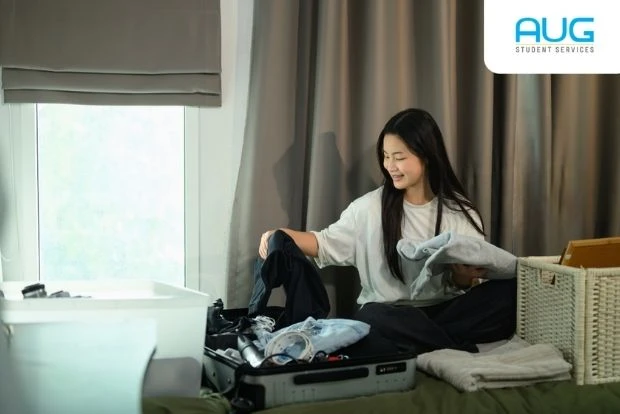
Finding student accommodation in Dublin is often the biggest challenge for new students. The city is home to world-class universities, a lively culture and strong graduate job prospects. However, it also has one of the tightest rental markets in Europe. As a result, many students start their search months before term begins.
This guide explains the main housing options, typical costs, popular areas and your rights as a tenant. It also shares practical tips to help you make a confident decision. Whether you are moving from Malaysia, Singapore, India or elsewhere, this article will help you plan ahead.
Why This Matters
Your accommodation affects far more than your budget. It shapes your daily routine, your commute, your social life and your wellbeing. A poor housing choice can lead to stress, long travel times and unexpected costs.
In Dublin, demand for housing consistently exceeds supply. Consequently, students who leave their search too late may face limited options or higher prices. Understanding the market early gives you more control. Moreover, knowing your legal rights protects you from unfair deposits or rent increases.
Types of Student Accommodation in Dublin
Students in Dublin generally choose from five housing types. Each has its own advantages, so consider your budget, lifestyle and course length before deciding.
1. On-Campus Accommodation
Universities such as Trinity College Dublin, University College Dublin (UCD) and Dublin City University (DCU) offer on-campus residences. These rooms are close to lectures, libraries and sports facilities. In addition, they provide an easy way to meet other students. Demand is high, so apply as soon as you accept your offer.
2. Purpose-Built Student Accommodation (PBSA)
Private companies operate PBSA buildings across the city. Typical features include en-suite rooms, shared kitchens, study spaces, gyms and 24-hour security. Bills are usually included in the rent. These properties are convenient but tend to be the most expensive option.
3. Private Rental (Shared House or Apartment)
Many students rent a room in a shared house or apartment. This option offers more independence and can be cheaper than PBSA. However, you will need to manage bills, contracts and housemates yourself. Websites such as Rent.ie list most private rentals.
4. Digs (Homestay)
“Digs” means renting a room in a family home. Some arrangements include meals, and many are available Monday to Friday only. Digs are popular with first-year and International Students because they offer a supportive, home-like environment. Under Ireland’s Rent-a-Room scheme, homeowners can earn up to €14,000 per year tax-free, which encourages more families to host students.
5. Short-Term or Temporary Housing
If you arrive without a confirmed place, hostels or short-term lets can bridge the gap. This should be a backup plan only, because short-term rates are high and availability is limited during September.

Costs and Popular Areas
Prices vary widely by location, room type and whether bills are included. The table below gives approximate weekly costs for the 2025/26 academic year. Always confirm current rates directly with providers.
| Accommodation Type | Approx. Weekly Cost (€) | Bills Included? |
|---|---|---|
| On-campus (university residence) | 200 – 330 | Usually yes |
| Purpose-built student accommodation | 250 – 400 | Usually yes |
| Private shared house (single room) | 180 – 300 | Usually no |
| Digs / homestay | 150 – 250 | Often yes (may include meals) |
| One-bedroom apartment (alone) | 450 – 600+ | No |
Popular Student Areas
Lively, close to Trinity and UCD, well served by buses and the Luas.
Ideal for DCU students; more affordable than the south side.
Trendy, central and convenient for TU Dublin’s Grangegorman campus.
Coastal suburbs on the DART line, popular with UCD students.
Suburban options close to TU Dublin’s other campuses, generally cheaper.
A monthly Student Leap Card gives discounted fares on Dublin Bus, Luas and DART. Therefore, living slightly further out can save money without hurting your commute.

Practical Tips: Choosing the Right Student Accommodation
These general tips apply to any student searching for housing in Dublin.

FAQ: Student Accommodation in Dublin
Summary
Securing student accommodation in Dublin takes planning, but it is very achievable. Start early, compare on-campus, PBSA, private rental and digs options, and choose an area that fits your budget and commute. Above all, understand your rights under Irish tenancy law so you can rent with confidence. With the right preparation, your Dublin home can become the foundation of a rewarding study experience.
Need a Hand?
If you would like guidance on your Dublin application or settling in, the AUG Student Services team is happy to help. Get in touch for a free chat.