
 Login
 Register


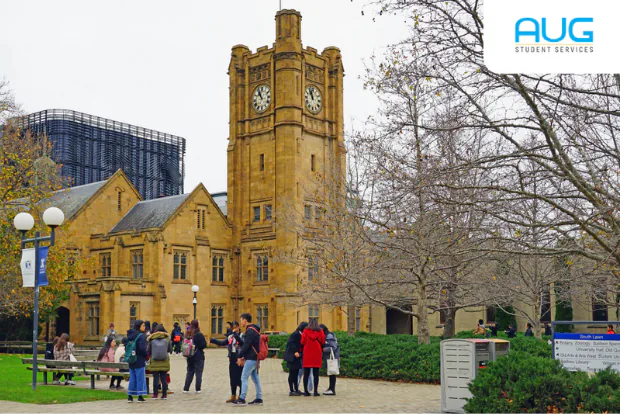
Choosing where to study abroad is about more than finding a university with a strong reputation. You also need to think about the city you will live in, the courses available, your budget, accommodation and what everyday student life will actually look like.
For students considering study in Melbourne Australia, the city offers a wide range of education options, from universities and TAFEs to private colleges and pathway programmes. It also has a large International Student community, extensive public transport and plenty to do outside the classroom.
Whether you are fresh out of high school or a parent helping your child plan their next step, this guide covers what you need to know about studying in Melbourne, from courses and universities to costs and student life.
Why Study in Melbourne?
Melbourne is one of Australia’s major education hubs. Students can choose from traditional university degrees, vocational courses, English-language programmes and pathways into higher education.
The city also offers a mix of academic and lifestyle opportunities. Students can spend their weekdays on campus and explore cafés, galleries, sporting events, festivals and different neighbourhoods on weekends.
For International Students, Melbourne also provides a multicultural environment where it is possible to meet people from different backgrounds. Study Melbourne provides International Students with resources covering accommodation, budgeting, transport and settling into life in Victoria.
What Can You Study in Melbourne?
One of the advantages of choosing Melbourne as a Melbourne study destination is the variety of study options available.
Depending on your academic background and career plans, you could consider:
- Bachelor’s degrees
- Master’s degrees
- Research programmes
- TAFE and vocational courses
- Foundation programmes
- English-language courses
- Pathway programmes
- Short-term study abroad programmes
Popular study areas include business, accounting, engineering, information technology, health, design, architecture, communications, education and hospitality.
You do not necessarily need to choose a traditional university degree. TAFE and vocational education can provide more practical study options, while foundation and pathway programmes can help students meet the requirements for further study.
The key is to start with the course and career you want. From there, compare the institutions that offer the right programme.
Study options at a glance
| Study option | Suitable for | What to compare |
|---|---|---|
| University degree | Students seeking a bachelor’s or postgraduate qualification | Course structure, entry requirements and fees |
| TAFE/VET | Students who prefer practical learning | Course outcomes and progression options |
| Foundation programme | Students who need an alternative university pathway | Duration and progression requirements |
| English-language course | Students developing academic English | Course length and entry requirements |
| Study abroad/exchange | Students looking for a shorter overseas experience | Credit transfer and partner institutions |

Universities in Melbourne
There are many universities in Melbourne, each with different course structures, campuses and areas of specialisation.
Some institutions students may come across include the University of Melbourne, Monash University, RMIT University, Deakin University, La Trobe University, Swinburne University of Technology and Victoria University.
Instead of choosing a university based only on rankings, look at how well the course fits your plans.
Consider:
- Course content and modules
- Entry requirements
- Tuition fees
- Campus location
- Internships and industry experience
- Accommodation options
- Student support
- Career-related opportunities
For example, the University of Melbourne uses a distinctive course structure that allows undergraduate students to develop breadth as well as depth in their studies. Its current international entry requirements vary by qualification and course, with applicants needing to meet academic, prerequisite and English-language requirements.
If you are researching University of Melbourne courses, look beyond the course title. Check the subjects you will actually study, the available majors or specialisations and any prerequisite subjects.
Students can also explore study at the University of Melbourne through different pathways depending on their previous qualifications. Foundation studies are one possible route for students who do not meet the direct-entry requirements.
For a wider view of Melbourne university options, compare institutions based on your course, budget and preferred learning environment rather than assuming the same university will suit every student.
How Much Does It Cost to Study in Melbourne?
Cost is one of the biggest factors to consider before you study abroad in Melbourne.
Your overall budget will usually include:
- Tuition fees
- Accommodation
- Food and groceries
- Public transport
- Utilities
- Phone and internet
- Study materials
- Personal spending
- Entertainment and travel
Tuition varies depending on your institution, course and study level. Living costs can also change significantly depending on where you live and your lifestyle.
Study Melbourne’s current cost-of-living calculator allows students to estimate expenses based on accommodation, location, transport and lifestyle choices.
That makes it more useful to create a personal budget rather than rely on one average figure.
For example, living closer to campus may reduce your daily travel time but increase your rent. Sharing accommodation may reduce housing costs, while cooking at home can help control food spending.
Where Can Students Live in Melbourne?
Accommodation is another important part of planning to study in Melbourne for International Students.
Common options include:
- University accommodation
- Purpose-built student accommodation
- Shared rental housing
- Private rentals
- Homestays
Each option comes with different costs and levels of independence.
University or purpose-built student accommodation can make it easier to meet other students. Shared rentals may provide more independence and can spread housing costs across several people.
When comparing accommodation, check more than the weekly rent. Look at whether utilities are included, how much the bond is, whether the room is furnished and how long it takes to travel to campus.
Study Melbourne also provides accommodation resources and a cost-of-living calculator to help International Students compare their options.
What Is Student Life Like in Melbourne?
Studying in Melbourne is not limited to lectures, tutorials and assignments.
The city is known for its cafés, food scene, arts, music, sport and cultural events. Universities also offer clubs, societies and student activities, giving newcomers ways to meet people outside their course.
For students moving overseas for the first time, however, the adjustment can take time.
You may need to get used to:
- Living away from family
- Managing your own budget
- Preparing meals
- Using public transport
- Making new friends
- Managing independent study
- Adjusting to a different academic environment
University study can also require more independent learning than students expect. The University of Melbourne, for example, describes an academic environment that places emphasis on independent study, discussion and critical analysis.
That is why choosing a city based only on its attractions is not enough. Think about whether you would be comfortable living independently and managing your studies in a new environment.

Getting Around Melbourne
Transport can make a noticeable difference to your student experience.
Melbourne has trains, trams and buses connecting different parts of the city and surrounding areas. Your choice of accommodation can therefore affect how much time you spend travelling each week.
Before signing a lease, check:
- Distance from your campus
- Nearest train, tram or bus stop
- Travel time during peak hours
- Transport costs
- Access to supermarkets and essential services
International Students can also use Study Melbourne’s transport resources to understand their options after arriving.
Choosing accommodation based on both rent and commute can help you avoid an option that looks affordable but becomes inconvenient every day.
What Should International Students Know Before Studying in Melbourne?
If you are planning to study overseas in Melbourne, start preparing well before your intended intake.
First, check the academic requirements for your chosen course. These can include specific subjects, grades and English-language requirements. Requirements vary between institutions and courses.
You should also compare:
Once you have selected a course, check the relevant Visa requirements and make sure you understand the documents and financial planning involved.
If you will be under 18 when you arrive, additional accommodation, support and welfare arrangements may apply. Requirements should be checked with your chosen institution and the Australian Government before making plans.
Is Melbourne the Right Study Destination for You?
Melbourne may be worth considering if you want a large city with a broad selection of education providers and an active student environment.
It could suit students who want:
- A wide range of courses
- University and vocational study options
- A multicultural environment
- Public transport access
- An active social and cultural scene
- Opportunities to explore Australia during their studies
However, that does not mean Melbourne will automatically be the right choice for everyone.
If your priority is the lowest possible living cost, a smaller city may be worth comparing. Similarly, if you already have a specific course or career in mind, start by finding the strongest course options before choosing your destination.
The same approach applies when comparing Australian universities for International Students. Your course, budget and long-term goals should guide the decision.
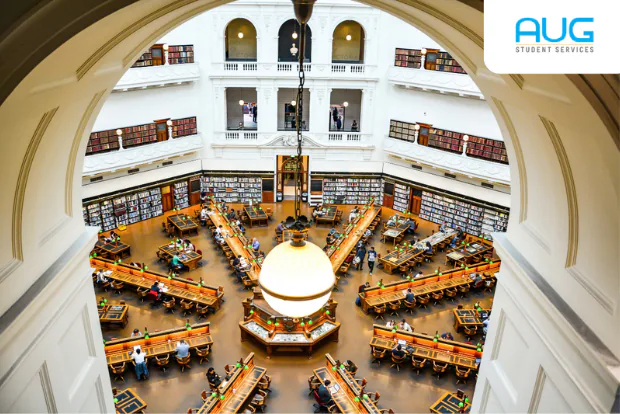
Plan Your Study in Melbourne with AUG Student Services
Choosing to study overseas involves a lot of moving parts. You need to compare courses, universities, entry requirements, fees, scholarships and accommodation while making sure your final choice fits your academic and career goals.
You do not have to manage all of this alone.
AUG Student Services can assist students with exploring study options, comparing institutions, understanding entry requirements and navigating the application process at no cost to students. This can save students and parents the hassle of researching every option and trying to manage applications alone.
If you are considering Melbourne Australia for International Students, speak with AUG Student Services to explore your options and plan your next step with a clearer idea of what fits you.


