
 Đăng nhập
 Đăng ký



Finding the right place to live is an exciting part of preparing to study overseas. For international students heading to New Zealand, your accommodation can have a big impact on your budget, commute, social life and overall university experience.
The good news is that there are several types of student accommodation in New Zealand, whether you want the convenience of living on campus, the cultural experience of staying with a local family or the independence of sharing a flat with friends.
But which option is right for you?
Specifically, in this guide, we look at the main types of student accommodation available, typical costs, what to consider before booking and practical tips for finding your new home in New Zealand.
Student Accommodation in New Zealand: At a Glance
International students generally have three main options: halls of residence, homestays and private rentals or “flatting”.
| Accommodation Type | What to Expect | May Suit Students Who |
|---|---|---|
| Halls of residence | Student-focused accommodation, often on or near campus | Want convenience and a social environment |
| Ở trọ | Live with a local host or family | Want additional support and cultural immersion |
| Flatting | Rent independently or share with others | Prefer independence and flexibility |
| Private apartment | Rent your own apartment or studio | Want more privacy and can manage a larger budget |
Overall, each option has advantages and considerations, so think about more than price when deciding where to live.
Halls of Residence in New Zealand
University halls of residence are a popular choice, particularly for students moving away from home for the first time.
Halls are normally located on or close to university campuses. Depending on the residence, you may have a private bedroom with shared bathrooms and communal areas, while some offer apartments or rooms with private facilities.
Some halls are fully catered, meaning meals are included, while others are self-catered.
In addition, living in a hall can make it easier to meet other students and become involved in university life. Some residences also include utilities, internet and student support within the accommodation fee.
For example, the University of Auckland describes catered halls as particularly suitable for first-year students who want a supportive environment, opportunities to meet other students and the convenience of having meals and utilities included.
First-year students who want convenience, a social environment and easier access to campus.
Popular halls can fill quickly, so check your university’s accommodation application dates as early as possible.
Homestay Accommodation in New Zealand
If you would prefer additional support while adjusting to a new country, a homestay could be worth considering.
In fact, homestays normally means living in the home of a local host or family. Depending on your arrangement, your accommodation may include a furnished room, meals, internet and utilities.
One advantage is the opportunity to experience everyday life in New Zealand. Living with a host can also give you more opportunities to practise English outside the classroom and learn about local customs.
Homestays can be particularly useful for younger international students or students who would prefer a family-style environment rather than living independently.
Students who value support, cultural immersion and a home environment.
You may need to follow household rules regarding meals, visitors and schedules, so ask what is expected before accepting a placement.

Flatting in New Zealand
Want more independence? You may prefer flatting, the New Zealand term commonly used for sharing a rental property.
For instance, you could rent a house or apartment with friends or move into an existing flat where other students or young professionals already live.
Flatting gives you more control over where you live, who you live with and how you manage your daily routine. However, you will usually have more responsibilities too, including cooking, cleaning and managing household expenses.
Above all, it is particularly important to understand whether you are legally a tenant or a flatmate.
According to New Zealand Tenancy Services, someone who signs a tenancy agreement with the landlord is a tenant and is covered by the Residential Tenancies Act. A flatmate who lives in the property but is not part of the tenancy agreement has different legal rights and responsibilities.
Students who want greater independence and flexibility.
Ask whether rent includes electricity, internet and other utilities before comparing properties.
How Much Does Student Accommodation in New Zealand Cost?
The cost of student accommodation in New Zealand depends on the city, location, accommodation type and what is included.
As a general guide, New Zealand’s official Study with New Zealand website states that weekly accommodation can start at around NZD 140 for a room in a shared house and reach around NZD 484 for a catered hall of residence.
However, these figures are only a guide. Actual costs can be higher or lower depending on your location and accommodation.
Remember that rent is only one part of your living expenses. If utilities and meals are not included, you may also need to budget for:
Where Should You Live in New Zealand?
Your location can make almost as much difference as the type of accommodation you choose.
New Zealand’s major student destinations include cities such as Auckland, Wellington, Christchurch, Hamilton and Dunedin.
Therefore, when comparing locations, consider how far your accommodation is from campus and whether you can walk, cycle or use public transport.
How to Find Student Accommodation in New Zealand
Start by checking your university’s accommodation website. This is especially important if you are interested in halls of residence or university-arranged homestays.
Meanwhile, for private accommodation, students can explore rental listings and flatmate advertisements. Immigration New Zealand advises renters to research their options carefully and recommends visiting a property before committing to rent it.
When searching, consider:

Student Accommodation and Your New Zealand Budget
Accommodation will probably be one of the biggest parts of your student budget.
International students applying for certain New Zealand student visas must demonstrate that they have sufficient funds to support themselves. For tertiary and other non-compulsory study, the current living-funds requirement is generally NZD 20,000 per year, or NZD 1,667 per month for study lasting less than one year.
Note that this is a visa requirement rather than a guarantee of what you will actually spend. Your real living expenses depend on your accommodation, city and lifestyle.
Which Student Accommodation Is Right for You?
There is no single accommodation option that works for every international student.
A hall of residence may suit you if you:
- Are moving overseas for the first time
- Want to live close to campus
- Want to meet other students
- Prefer having some services included
A homestay may suit you if you:
- Prefer a family environment
- Want more support when settling in
- Want to experience everyday New Zealand life
- Prefer meals and utilities to be included
Flatting may suit you if you:
- Want greater independence
- Prefer choosing your own location and flatmates
- Are comfortable cooking and managing bills
- Want a more independent student lifestyle
Tips Before Booking Student Accommodation
Do not leave your accommodation search until the last minute, particularly if you want to live in a university residence.
Check exactly what your accommodation fee includes and calculate your total weekly expenses, rather than comparing rent alone.
For private rentals, understand your agreement before signing anything. New Zealand’s Tenancy Services provides information about the rights and responsibilities of tenants and flatmates.
Your accommodation will be your home throughout your time overseas, not simply somewhere to sleep.
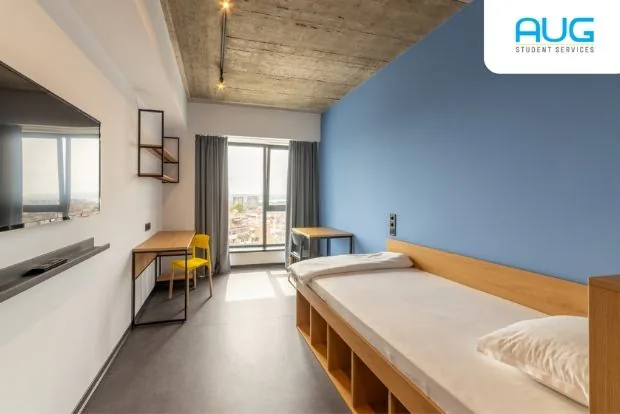
Find Your New Zealand Study Home with AUG
Choosing the right student accommodation in New Zealand is an important part of preparing for university life. Your decision should consider not only rent, but also location, transport, meals, bills, lifestyle and the level of independence you want.
AUG Student Services can help you plan your New Zealand study journey, from finding a suitable university and course to preparing your application and understanding your next steps before departure.
Ready to start planning? Contact AUG Student Services to speak with an education consultant about studying in New Zealand.