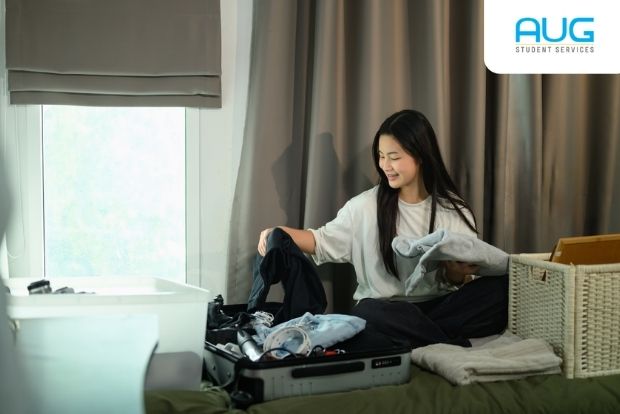
Finding the right student accommodation in Australia is one of the most important steps in preparing for your studies abroad. Where you live shapes your daily routine, your budget, and even your academic performance. Australia welcomes hundreds of thousands of international students every year, and each of them faces the same early question: where should I live?
The good news is that Australia offers a wide range of housing options. These include on-campus residences, purpose-built student apartments, homestays, and private rentals. Each option comes with different costs, levels of independence, and social experiences.
This guide breaks down every major type of student accommodation in Australia, compares average costs across cities, and shares practical tips to help you make a confident choice.
Why This Matters
Your accommodation is more than just a place to sleep. Research consistently shows that stable, well-located housing supports better academic outcomes and mental wellbeing. For international students, accommodation also affects visa compliance, commuting time, and how quickly you settle into a new country.
Australia’s rental market has also tightened in recent years. Vacancy rates in major cities such as Sydney and Melbourne have remained low, which means demand for student housing is high. Starting your search early, and understanding your options, gives you a real advantage over students who leave it until the last minute.
Types of Student Accommodation in Australia
1. On-Campus Accommodation
Many Australian universities offer residential colleges or student halls located on or near campus. These typically include a furnished room, utilities, internet, and access to shared facilities. Some colleges also include meal plans and academic support programs.
Best for: First-year students who want convenience and a built-in community
Typical cost: A$ 250 to A$ 800 per week, depending on the university and whether meals are included
Key benefit: Walking distance to lectures and strong social networks
2. Purpose-Built Student Accommodation (PBSA)
Private providers such as Scape, UniLodge, Iglu, and Journal operate modern apartment buildings designed for students. Rooms range from shared apartments to private studios. Rent usually covers utilities, Wi-Fi, gyms, study spaces, and social events.
Best for: Students who want independence with a social atmosphere
Typical cost: A$ 300 to A$ 700 per week
Key benefit: All-inclusive billing and flexible lease lengths aligned with semesters
3. Homestay
Homestay places you with a local Australian family. Meals are often included, and hosts are screened by accredited agencies. This option is popular with younger students and those under 18, as it provides a supportive home environment.
Best for: Younger students and those wanting cultural immersion
Typical cost: A$ 235 to A$ 400 per week, usually including meals
Key benefit: Language practice, local guidance, and home-cooked meals
4. Private Rentals and Share Houses
Renting privately, either alone or with housemates, offers the most independence. Students typically find listings through platforms such as realestate.com.au, Domain, or Flatmates.com.au. Be prepared to pay a bond (usually four weeks’ rent) and provide references.
Best for: Students staying long term who want full control of their living situation
Typical cost: A$ 150 to A$ 400 per week for a room in a share house; more for a whole apartment
Key benefit: Lower costs when sharing, plus freedom to choose your location and lifestyle
5. Short-Term and Temporary Housing
Many students book two to four weeks of temporary accommodation, such as hostels or short-stay apartments, when they first arrive. This allows time to inspect properties in person before signing a lease, which is strongly recommended.

Average Weekly Rent by City
| Thành phố | Share House (per week) | Studio / PBSA (per week) | Homestay (per week) |
|---|
| Sydney | A$ 250–A$ 400 | A$ 450–A$ 750 | A$ 300–A$ 400 |
| Melbourne | A$ 200–A$ 350 | A$ 350–A$ 650 | A$ 280–A$ 380 |
| Brisbane | A$ 180–A$ 320 | A$ 320–A$ 550 | A$ 260–A$ 350 |
| Perth | A$ 170–A$ 300 | A$ 300–A$ 500 | A$ 250–A$ 340 |
| Adelaide | A$ 150–A$ 280 | A$ 280–A$ 480 | A$ 235–A$ 320 |
Figures are indicative averages and vary by suburb, room type, and season. Always confirm current prices with providers.
Tips and Things to Consider When Choosing Student Accommodation
Start early. Begin your search three to six months before your course starts. On-campus housing and popular PBSA buildings fill quickly, especially for Semester 1 intakes.
Budget for total costs, not just rent. Factor in bond, utilities, internet, transport, and contents insurance. An all-inclusive option may be cheaper overall than a low base rent.
Prioritise commute time. A cheaper room 90 minutes from campus often costs more in transport fares and lost study time. Aim for under 45 minutes door to door.
Never pay before verifying. Rental scams target international students. Do not transfer money before inspecting a property in person or through a verified video tour with an established provider.
Read the lease carefully. Check the lease length, break fees, notice periods, and what happens over semester breaks. Ask questions before signing.
Know your tenant rights. Each state has a tenancy authority (for example, NSW Fair Trading or Consumer Affairs Victoria) that offers free advice and dispute resolution.
Think about your lifestyle. If you value quiet study time, a residential college with active social calendars may not suit you. If you fear isolation, a private studio may feel lonely. Be honest about what environment helps you thrive.
FAQ: Student Accommodation in Australia
How much does student accommodation in Australia cost?
Expect to pay between A$ 150 and A$ 800 per week depending on the city, accommodation type, and inclusions. Share houses are usually the cheapest option, while on-campus colleges with meals cost the most.
Should I book accommodation before arriving in Australia?
Yes, at least for your first few weeks. Many students book on-campus housing, PBSA, or a homestay in advance, then explore private rentals after arriving. Avoid signing long private leases for properties you have never inspected.
What is a rental bond?
A bond is a security deposit, usually equal to four weeks’ rent, paid at the start of a tenancy. It is lodged with a state government authority and refunded when you move out, provided there is no damage or unpaid rent.
Can students under 18 live independently?
Generally, no. Student visa rules require approved welfare arrangements, which usually means living with a relative, an approved homestay, or university-managed accommodation with guardianship support.
Is it cheaper to live on-campus or off-campus?
Off-campus share houses are typically cheaper on paper, but on-campus and PBSA options include utilities, internet, and facilities. Compare the total weekly cost of each option, not just the rent.
Summary
Student accommodation in Australia comes in many forms, and there is no single best option. On-campus housing offers convenience and community, purpose-built student accommodation blends independence with support, homestays provide cultural immersion, and private rentals deliver freedom and value for long-term stays. The right choice depends on your budget, your age, your study habits, and how much support you want during your first year abroad.
Whatever you choose, the same principles apply: start early, budget realistically, verify before you pay, and understand your rights as a tenant. With good planning, your accommodation will become a solid foundation for a successful study experience in Australia.
Ready-to-Apply
Need help planning your studies in Australia? The team at Dịch vụ Sinh viên AUG offers free guidance on university applications, visas, and pre-departure preparation, including accommodation advice. Feel free to reach out to our nearest to get started.

 Đăng nhập
 Đăng ký