
 Đăng nhập
 Đăng ký


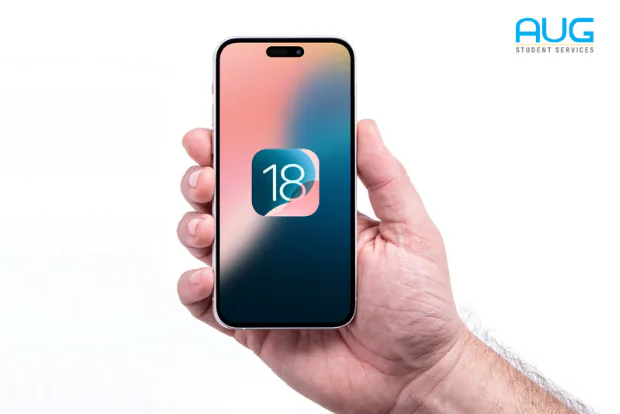
The iPhone 18 is more than a new smartphone. Behind features such as on-device AI, advanced cameras and Apple’s A20 Pro chip are engineers, computer scientists, designers and researchers working across different areas of technology.
Specifically, for students coming from Singapore deciding what to study after polytechnic, JC, A-Levels or IB, the latest iPhone can offer an interesting way to explore different university courses and career paths.
So, what degree do Apple engineers have? Alternatively, is there a product design engineering degree for students who want to build devices? What should you study if you are more interested in chips, AI or smartphone hardware?
In fact, there is no single “Apple degree”. Instead, different university disciplines connect to different parts of the technology behind a product like the iPhone.
iPhone 18: What Singapore Students Should Know
Notably, Apple launched the iPhone 18 Pro and iPhone 18 Pro Max in September 2026, with availability beginning on 18 September. The new Pro models feature Apple’s A20 Pro chip, advanced camera technology and new Apple Intelligence and Siri AI capabilities.
For students, however, the interesting part is not just what the phone can do. It is who builds it.
Specifically, Apple’s hardware teams work across areas including electrical engineering, mechanical engineering, silicon engineering, product design, wireless technology and software.
What Degree Do Apple Engineers Have?
Instead, there is no single degree that leads to working on an iPhone. Rather, think about which part of the technology interests you most.
| Area of technology | Degrees to consider | Universities to Explore |
|---|---|---|
| Smartphone hardware | Electrical Engineering, Computer Engineering | UNSW, University of Sydney |
| Hardware and software | Kỹ thuật máy tính | UNSW |
| Chips and microelectronics | Electrical Engineering, Computer Engineering | UNSW |
| AI and machine learning | Artificial Intelligence, Computer Science | Đại học Công nghệ Swinburne |
| Product design | Mechanical Engineering, Industrial Design | Đại học Monash |
| Smart products and robotics | Mechatronic Engineering | Đại học Sydney |
| Engineering and computing | Engineering + Computer Science | Đại học Công nghệ Swinburne |
Rather than searching for a course specifically designed for working at Apple, start by identifying the type of technology you want to build.
Want to Build Smartphone Hardware? Consider Electrical Engineering
If you are interested in the electronics inside a smartphone, Electrical Engineering is one pathway to explore.
Overall, electrical engineering can cover areas such as circuits, electronics, computer systems, signals and communications. Consequently, these foundations can be applied to technologies such as sensors, wireless systems and electronic devices.
University of Sydney – Bachelor of Engineering Honours in Electrical Engineering
The University of Sydney’s Kỹ thuật điện degree covers electrical circuits, electronics, computer systems, signals and communications. Overall, the course can be relevant to students interested in computing devices, communications and electronic technology.
This could suit students who want to understand what happens inside a device rather than simply developing applications for it.
Want Hardware and Software? Look at Computer Engineering
What if you are interested in both the physical components of a smartphone and the software that controls them?
Computer Engineering combines electronic engineering and computer science, making it relevant to areas such as embedded systems, computer hardware and consumer electronics.
UNSW – Bachelor of Engineering (Honours) in Computer Engineering
UNSW’s Kỹ thuật máy tính degree combines electronic engineering and computer science. Specifically, students study areas including computer systems, programming, embedded systems, telecommunications and electronics.
This could be useful if you want to understand how hardware and software work together rather than focusing entirely on one side.

Interested in the A20 Pro Chip? Explore Electrical Engineering and Microelectronics
If the A20 Pro is the part of the iPhone that interests you most, look beyond general software degrees.
Typically, modern processors involve areas such as chip architecture, circuit design, verification and physical design.
For example, Apple’s silicon engineering teams work across CPU and GPU design, system-on-chip technology, verification and other areas of processor development.
UNSW – Electrical Engineering
UNSW’s Kỹ thuật điện pathway can be relevant to students interested in electronics and microelectronics. Depending on the subjects and specialisations selected, students can build knowledge relevant to electronic circuits, digital systems and related technologies.
In fact, you do not necessarily need a degree called “Semiconductor Engineering” to explore this area. Instead, semiconductor and chip-related study can sit within Electrical Engineering, Computer Engineering, Microelectronics or related specialisations.
When comparing universities, look at the actual subjects and specialisations rather than relying only on the course title.
Want to Design the Physical Product? Consider Product Design
Not everyone working on a smartphone is designing chips or writing code. Engineers and designers also have to work out how a physical product should look, function, fit together and eventually be manufactured.
Specifically, Apple’s product design engineering roles involve areas such as mechanical engineering, materials, CAD, prototyping and product development.
Monash University – Bachelor of Engineering (Honours) / Bachelor of Design
Monash offers a double degree combining Kỹ sư cơ khí and Industrial Design. Together, these bring engineering, materials, manufacturing and design, with a focus on creating products that are functional and well engineered.
Therefore, this could suit students who enjoy both creative design and technical problem-solving, particularly if they are interested in physical consumer products, robotics or product development.
Interested in Apple’s AI? Consider Artificial Intelligence
The iPhone 18 also highlights the growing role of artificial intelligence. Apple’s latest devices use on-device AI capabilities, while its Neural Engine is designed to support AI workloads.
If AI is the part of the technology that interests you most, consider Artificial Intelligence or Computer Science.
Swinburne University of Technology – Bachelor of Artificial Intelligence
Swinburne’s Bachelor of Artificial Intelligence covers areas including machine learning, natural language processing, AI systems and data-driven problem solving. The course also uses project-based learning and industry-engaged opportunities.
Therefore, this could be relevant if you want to specialise in AI rather than studying it as one component of a broader computing degree.
Want Engineering and Computing Together?
Naturally, some students may not want to choose between engineering and computing.
Swinburne – Bachelor of Engineering (Honours) / Bachelor of Computer Science
Swinburne offers a double degree combining Engineering and Computer Science. Depending on the pathway selected, students can combine engineering with areas such as electrical and electronic engineering, product design, robotics and mechatronics, alongside computing specialisations.
Overall, this can be useful for students who want exposure to both physical engineering systems and computing.
Want to Build Smart Products? Consider Mechatronic Engineering
If you are interested in robotics, automation, sensors and software working together, Mechatronic Engineering is another option.
University of Sydney – Bachelor of Engineering Honours in Mechatronic Engineering
The University of Sydney’s Mechatronic Engineering degree combines mechanical, electrical and electronic engineering with systems engineering and computing. For example, the university highlights applications including robotics, autonomous systems, automated manufacturing and intelligent products.
Therefore, this could suit students interested in building smart physical products rather than focusing exclusively on software or electronics.
Which Course Matches Your Technology Interest?
In short, the key takeaway is that you do not need to find a degree called “iPhone Engineering”.
Instead, think about which part of technology you want to build. As a result, your answer can help narrow down the universities, courses and specialisations worth researching.
Can Singapore Students Study These Courses Overseas?
Yes. Students in Singapore can explore engineering, computing, AI and design degrees at universities in Australia and other study destinations.
Naturally, your entry pathway will depend on your current qualification. For instance, a polytechnic diploma holder may have different requirements from a student with A-Levels or IB, and some universities may consider previous tertiary study for credit or advanced standing.
For example, Swinburne considers previous approved tertiary study when assessing eligibility for academic credit, although the amount of credit depends on the course and previous qualification.
This is why it is important to check the requirements for the specific university and course rather than assuming every engineering degree has the same pathway.
Cost and Scholarships to Consider
If you are considering studying engineering, computer science or AI in Australia, it is also worth looking at the cost of studying overseas Và scholarship opportunities before choosing a university. Scholarships can vary by university, course and eligibility requirements, so check what funding options are available alongside the entry requirements for your chosen degree.
Phần kết luận
The technology behind the iPhone 18 brings together engineering, computing, AI, design and manufacturing.
Overall, for students in Singapore, this can be a useful starting point when thinking about what to study after polytechnic, JC, A-Levels or IB.
Instead of asking “What degree do I need to work at Apple?”, start by asking “What part of technology do I want to build?”
Whether you are interested in chips, smartphone hardware, AI, product design or robotics, there are different university pathways to explore.
If you are unsure which course or university fits your interests, AUG Student Services Singapore can help you compare courses, entry requirements and study options at no cost.
Contact AUG Student Services to get started.